
Choosing a Destination Wedding Videographer in France
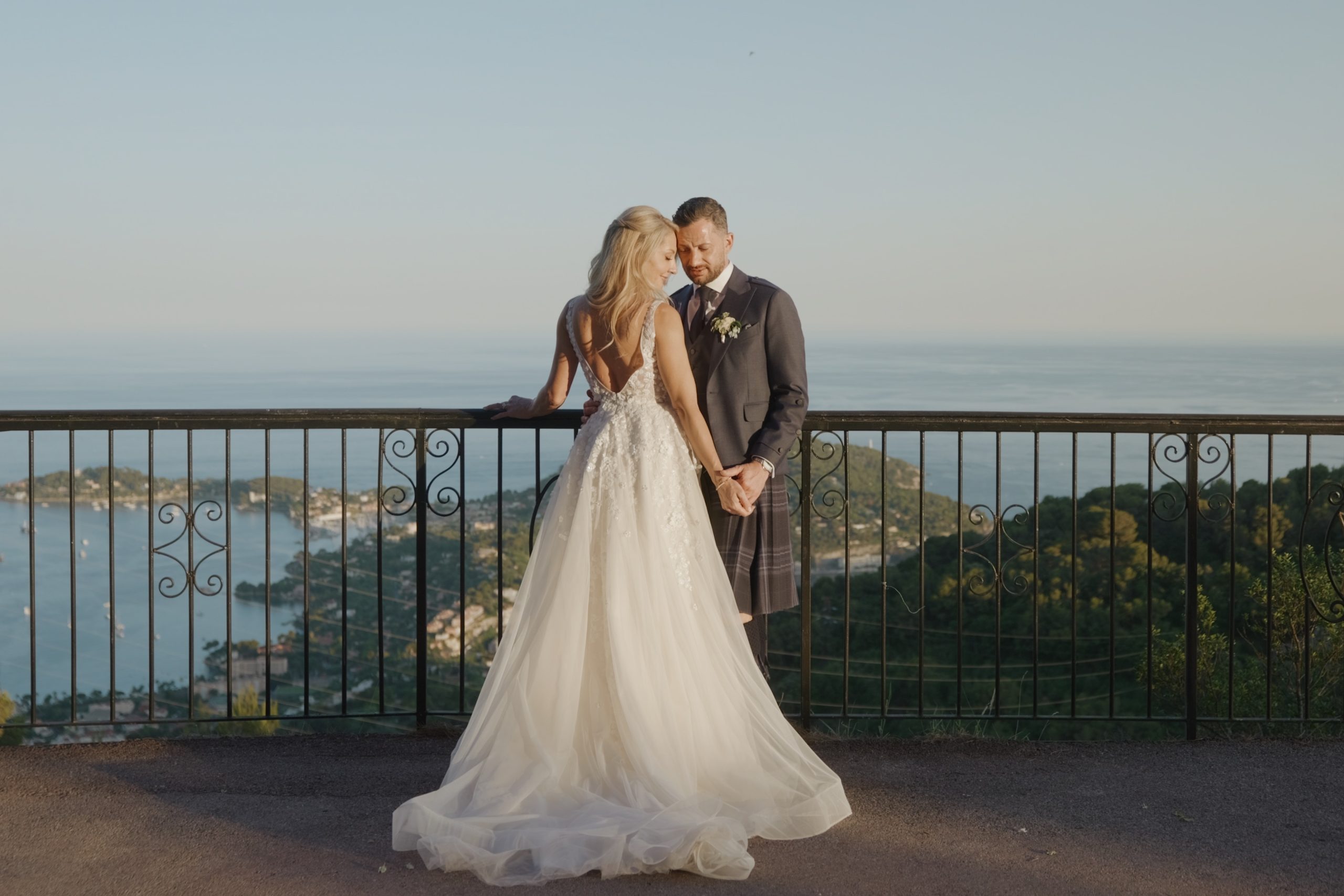
A wedding in France has a particular rhythm. The light stretches later. Conversations linger over dinner. A château garden, a Parisian terrace, or a villa above the Mediterranean can feel cinematic on its own – but a beautiful setting is not what makes a wedding film unforgettable. What matters is how those hours are observed, interpreted, and preserved. Choosing the right destination wedding videographer France offers is less about finding someone who can record a day, and more about finding someone who can understand its atmosphere.
For couples planning from abroad, that distinction matters even more. Distance changes the way decisions are made. You are trusting a team not only with imagery, but with memory, nuance, and emotional truth in a country that may not be home, yet means something deeply personal to you.
What a destination wedding videographer in France should really capture
A wedding film should hold more than highlights. It should carry texture: the quiet of a morning in Paris before guests arrive, the softness of Provençal light at cocktail hour, the movement and energy of a dance floor on the Côte d’Azur after midnight. These are not decorative details. They shape how the day felt from the inside.
This is where many films fall short. They are polished, sometimes very polished, but they remain surface-level. They show the dress, the table design, the landscape, and a few emotional moments arranged into a familiar structure. The result can be attractive, but not necessarily intimate.
A refined destination wedding videographer France couples choose for a high-end celebration should be able to do both: honor the visual beauty of the setting and stay close to the truth of the people within it. The film should never feel generic, even when the wedding itself is grand.
Why France asks for a particular kind of sensitivity
France is not one single wedding backdrop. Paris, Provence, and the Riviera each carry their own pace, color, and emotional temperature. A film made in Saint-Germain should not feel like one shot in the Luberon. A celebration at a hilltop château should not be approached in the same way as a wedding weekend by the sea.
That is why local understanding matters, but not in the most obvious sense. Of course, experience with logistics, timing, and venues is useful. Yet what matters just as much is aesthetic fluency. The videographer should know how to read French light, architecture, and social rhythm without making the film feel like a travel advertisement.
France can be visually generous to the point of distraction. There is always another façade, another vineyard row, another dramatic arrival shot. The real craft lies in knowing when to step back from the scenery and stay with the glance between two people, the shift in a parent’s voice during a speech, the laughter at a table just before night falls.
Style matters, but presence matters more
Most couples begin with style. Cinematic, editorial, documentary – these words appear everywhere, and each can be meaningful when used honestly. But the more important question is how the videographer behaves on the day.
A wedding film is shaped as much by presence as by technique. A discreet filmmaker allows space for real emotion to emerge. That does not mean passive coverage. It means understanding when to anticipate, when to guide lightly, and when to disappear. For destination weddings, where guests have often traveled far and every interaction feels heightened, this discretion becomes part of the luxury of the experience.
If a videographer is too directive, the film may look composed but feel distant. If they are too invisible without intention, moments can be missed. The balance is subtle. The strongest work comes from someone who can move with calm confidence, protect the natural flow of the day, and still create imagery of lasting beauty.
How to assess a destination wedding videographer France couples can trust
When reviewing films, look beyond the first impression. A strong trailer can be seductive, but a wedding is not only a sequence of beautiful fragments. Ask yourself whether the filmmaker seems able to sustain emotion over time.
Do the people in the film feel real, or only well-framed? Can you sense the individuality of each couple, or do the films begin to blur into one another? Is the pacing thoughtful, allowing moments to breathe, or does everything move at the speed of a social media edit?
Sound deserves close attention as well. The voice during vows, the ambient atmosphere of a church or garden, the cadence of speeches, the music choices – all of this affects whether a film feels lived-in or merely assembled. A refined film does not depend on visual beauty alone. It creates emotional continuity.
It is also worth noticing how the filmmaker handles luxury. High-end weddings offer extraordinary design, but true sophistication in film comes from restraint. The celebration should feel elevated without becoming performative. The best films understand that elegance is often quiet.
The value of personalization in a destination wedding film
No two destination weddings in France are the same, even when they share a similar setting or level of detail. Some couples want their film to feel expansive and cinematic. Others want something more intimate and observational. Some are drawn to editorial composition, while others care most about emotional spontaneity.
A premium videography experience should make room for that difference. Personalization is not simply a matter of choosing package options. It begins with interpretation. The filmmaker should understand what you want to remember, what kind of atmosphere matters to you, and what emotional register feels true to your relationship.
That might mean giving greater importance to family dynamics, multilingual speeches, a civil ceremony in Paris before a weekend in Provence, or the contrast between formal aesthetics and a very relaxed celebration. The film becomes more meaningful when these layers are noticed from the start.
This is one reason many international couples are drawn to studios such as Luan Wedding. The appeal is not only visual sophistication, but a more considered approach to memory – one that values personality, nuance, and the emotional architecture of the day.
Planning from abroad changes what you should prioritize
When you are organizing a wedding in France from another country, practical trust becomes inseparable from artistic trust. Communication needs to feel clear, calm, and precise. You should feel that your videographer understands not only your aesthetic references, but also the realities of planning across time zones, cultures, and expectations.
This does not mean choosing the most process-driven vendor. For many couples, an overly corporate approach feels out of place in such a personal context. But it does mean valuing responsiveness, clarity, and the ability to bring quiet structure to a complex event.
It also helps to work with someone experienced in destination timelines. French weddings often unfold over several days or at least over a longer, more layered schedule than a standard local celebration. There may be welcome dinners, post-wedding brunches, civil ceremonies, or multi-location coverage. A videographer should know how to preserve continuity across these moments without making the film feel repetitive or overproduced.
The trade-off between trend and longevity
One of the most common tensions in wedding videography is the pull between what feels current and what will endure. Fast cuts, dramatic sound design, and highly stylized editing can create immediate impact. Sometimes that energy suits the celebration. Sometimes it dates the film almost instantly.
A destination wedding in France often invites a more timeless approach, but timeless does not mean conventional. It means making choices that preserve emotional clarity. Fashion, design, and setting may be exceptional, yet the core of the film should still be human.
The best wedding films age beautifully because they are anchored in feeling, not in trend. Years later, what matters most is not whether the edit matched a passing aesthetic moment. It is whether the film still brings you back to the exact quality of the day – the tenderness, the anticipation, the warmth, the joy.
Choosing with instinct, not only with criteria
At a certain level, many videographers are technically capable. They know how to expose for bright French sun, capture drone footage over a venue, and assemble a polished edit. Those things matter, but they are not enough to guide a meaningful choice.
The deeper question is whether their way of seeing aligns with your own. Do they notice what you notice? Do they seem drawn to atmosphere, intimacy, and subtle emotion, or only to spectacle? Does their work make you feel something recognizable, not just admiration?
That instinct is worth trusting. A wedding film lives with you for years. It becomes part of your family memory, part of how the day is retold, part of what remains when the flowers are gone and the weekend has long passed.
If you are planning a celebration in France, choose the filmmaker who understands that beauty is only the beginning. The real work is to preserve presence – so that when you return to the film, you do not simply see where you were, but feel who you were together there.
Planning an elegant wedding in France?
I’d love to hear more about your celebration — your date, your location, and the atmosphere you’re creating.
I reply personally to every message within 48 hours. If you don’t see my reply please check your spam folder.